How Often Should Pest Control Be Done in Windsor?
If you want a straight answer: most homes in Windsor, Ontario should schedule pest control every 3 months, or quarterly pest control, while greater-risk properties may need monthly pest control. The proper treatment interval depends on the pest, the season, the property type, and how much pest pressure your building faces. In other words, pest control Windsor is not one-size-fits-all. A condo near downtown, an older basement-heavy house, and a restaurant near the waterfront can all need different service frequency.
For many households, proactive pest control is more effective than waiting for an infestation to become obvious. In commercial settings, a tailored service plan is often needed to protect health, reputation, and operations. The best approach combines inspection, monitoring, exclusion, sanitation, and targeted treatment based on activity level and risk factors.
What affects how often pest control is needed in Windsor?
The right service interval in Windsor relies on a number of local factors. One of the biggest influences is the Windsor climate. Warm stretches, humid summer conditions, and cold winters all affect pest behavior. Seasonal shifts alter nesting, feeding, and movement patterns, which means pests may become more active at different times of year.
Pest pressure is another key influence. Windsor’s location along the Detroit River and its waterfront conditions can increase moisture and shelter opportunities for certain pests. Areas closer to water or with more vegetation may see more activity from ants, wasps, and moisture-loving insects. In parts of the city with older homes, you may also see more access opportunities through cracks, utility openings, and foundation gaps.
Property type matters too. Detached houses, apartment buildings, retail spaces, warehouses, and food-service businesses all have different exposure levels. Older housing stock and basement-heavy homes in Windsor neighborhoods can create more entry points for mice and spiders, especially if there are gaps around pipes, doors, or vents. Basements also tend to offer the cool, dark harborage that many pests prefer.
Seasonal activity changes the schedule as well. Some pests are mostly a summer concern, while others become a fall and winter problem when they move indoors seeking warmth. A good pest control plan considers the calendar, the building’s vulnerabilities, and the current threshold for action, rather than relying on a generic schedule.
Suggested pest control schedules for Windsor homes and businesses
For most residential pest control needs, quarterly visits are the ideal balance of prevention and cost. A regular schedule provides regular monitoring, allows for prompt residual spray or bait applications when needed, and helps minimize the chance of reinfestation. For many homeowners in Windsor, this is enough to get ahead of common seasonal pests.
That said, some homes need more frequent service. If you have repeated activity from ants, mice, cockroaches, or bed bugs, a monthly service may be more appropriate until the issue is under control. Monthly visits are also useful if the property has continual structural gaps, high moisture, food storage concerns, or a history of repeated pest problems.
Commercial pest control often requires a more frequent schedule than residential work. Restaurants, grocery stores, multi-unit buildings, care facilities, and warehouses usually benefit from more frequent inspections and monitoring. A monthly service may be standard in higher-risk environments, especially where sanitation requirements, food handling, or customer exposure raise the stakes. For lower-risk commercial properties, quarterly pest control may still be adequate if the building is well sealed and maintained.
In many cases, the best plan is a customized plan built around the property’s activity level. A licensed exterminator should inspect the structure, seasonal pressure, and pest history before recommending a service frequency. That way, you get property protection without paying for extra treatments.
How Windsor’s seasons influence pest activity
Windsor’s four seasons have a major impact on pest behavior, and seasonal pest control should match that cycle. Pest activity tends to increase and decrease depending on temperature, humidity, breeding patterns, and available food sources.
Spring pests
Spring often leads to more movement as insects and rodents come out of winter shelter and begin nesting again. This is a common time for ants, spiders, and early wasp activity. Spring moisture can also support earwigs and silverfish, especially in basements, bathrooms, and utility rooms. A spring pest inspection is valuable because it can detect early activity before they become full infestations.
Summertime pests
Windsor’s humid summers can increase ants, wasps, and cockroaches significantly. Warm, damp conditions create strong seasonal pressure, especially near the waterfront and in areas where exterior food sources or standing water are present. Wasps are often more noticeable around eaves, decks, and entry areas in summer, while cockroaches thrive where sanitation issues, moisture, and hiding spaces overlap. This is often the time when monitoring and exclusion become especially important.
Pests in fall
Fall is one of the most important seasons for prevention in Windsor. As temperatures drop, mice and rats often seek indoor shelter. This is when old foundation gaps, loose door sweeps, and unsealed utility lines become major entry points. Fall treatment helps reduce the chance of rodents settling into wall voids, attic spaces, and basements before winter arrives. It is also a useful time to reinforce exclusion and check traps or baits if needed.
Wintertime pests
Windsor’s winter cold can push rodents indoors, making prevention just as important in winter as it is in fall. Even though insect activity drops outdoors, pests that have already entered the structure may continue nesting and feeding inside. Winter is a good season for inspection, sealing gaps, and checking for droppings, gnaw marks, and other signs of hidden activity. In heated buildings, cockroaches and bed bugs can also remain active year-round.
Typical pests in Windsor and their treatment frequency
Various pests have different treatment intervals. The frequency depends on whether the pest is season-dependent, the speed at which it multiplies, and how easy it is to remove the source of the infestation.
Ants commonly need management in springtime and summer, with subsequent appointments if colonies are established inside interior walls or near the foundation. Carpenter ants are particularly important because they can damage wood and may require more than just a simple spray. A longer-lasting treatment, baiting approach, and exclusion work best together when carpenter ants are foraging.
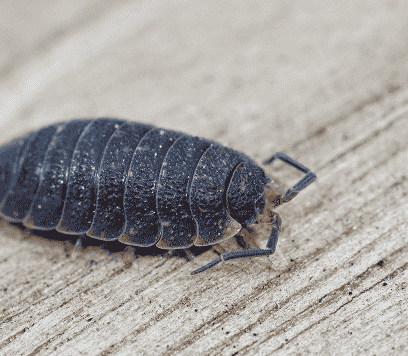
Cockroaches usually need a more thorough treatment. Since they multiply rapidly and shelter in crevices, the intervals between treatments are often shorter at first, especially in multi-unit residences and industrial kitchens. Gel baits, better sanitation, inspection, and focused applications may be needed on a monthly basis until activity goes under the action threshold.
Rodents and rats are commonly dealt with through a combination of capture traps, bait stations, sealing, and assessments. Rodent management is not necessarily a one-and-done treatment because presence can come back if food, harborage, or entry rodent control Windsor gaps remain. In many Windsor homes, seasonal or even every month follow-up may be needed during autumn and the winter months if rodents are repeatedly entering the home.
Spiders commonly suggest that additional insects are present, since they feed on insect populations. In older Windsor homes, especially those with basements, spiders may use secluded corners and storage areas as refuge. Treatment frequency depends on the amount of insect prey, the number of hidden access points, and how well the home is sealed. Routine seasonal service usually helps keep their numbers down.
Various pests also matter in Windsor. Bed-bugs are not tied to the season in the same fashion as outdoor insects and often need a specialized multi visit treatment plan. Hornets may only need limited-season intervention, but nests near living areas can require prompt action. Earwigs and bristletails often appear in humid basements, bathrooms, or storage spaces and may be controlled efficiently through moisture reduction and targeted treatment.
Signs you may need pest control ahead than scheduled
Although a solid service plan should adjust if warning signs appear. The main reason to contact for help sooner is that a small issue can become a bigger infestation quickly.
Keep an eye out for clear infestation signs such as live insects during the day, unusual scratching in walls, or repeated sightings in the same area. Rodent droppings are another strong signal that mice or rats are active, especially in basements, cupboards, behind appliances, or near food storage.
Also look for new or widening entry points. Gaps around pipes, torn screens, damaged weatherstripping, or cracks in the foundation can enable pests back in even after treatment. If you notice gnaw marks, shredded insulation, or nesting material, that usually means the problem is active and not just temporary.
Property damage is a serious sign that pest control should happen sooner. Chewed wires, damaged food packaging, stained surfaces, or holes in drywall can indicate ongoing activity. The longer pests stay in place, the higher the risk of reinfestation and more expensive repairs.
Odors, grease marks, spider webs in unusual places, or recurring sightings after treatment also suggest that the threshold for action has been crossed. At that point, you may need an inspection, a revised treatment interval, and a stronger monitoring strategy.
Preventative pest control versus one-time treatment
A isolated pest treatment can be effective for a sudden infestation. For example, a one wasp nest, a localized ant trail, or an clear entry point may be addressed promptly. If the problem is truly minor and the structure is in good condition, a one-time service may solve it.
However, a preventative treatment plan usually is more effective over time. Preventative pest control focuses on stopping pests before they set up nesting sites or spread into hidden areas. This approach is especially valuable in Windsor because weather changes, waterfront moisture, and older building conditions can all lead to recurring risk factors.
IPM is the most effective long-term framework. It combines inspection, sanitation, exclusion, monitoring, and targeted treatments rather than depending solely on chemicals. In practice, that may mean sealing gaps, better organizing food storage, using traps where appropriate, and applying baits or residual spray only when needed. This strategy reduces unnecessary exposure, supports property protection, and lowers the chance of repeated infestations.
For many Windsor properties, prevention is more affordable than repeated emergency service. A properly maintained plan helps keep activity levels low and can reduce the need for disruptive treatments later.
How to pick the proper pest control frequency in Windsor
Picking the proper frequency starts with a careful pest inspection. A licensed specialist should evaluate the interior and exterior, find pest species, locate possible entry points, and review current risk factors. The inspection should also consider dampness, mess, food access, nearby vegetation, and basement conditions.
Once the inspection is complete, the provider can recommend a service plan that fits the property. For many homes, quarterly pest control is the baseline. For recurring activity, monthly visits may be best until the problem is stable. For businesses, the plan should reflect industry type, compliance needs, and exposure level.
A licensed exterminator can also tell you whether you need seasonal prevention, ongoing monitoring, or a one-time response. This matters because pests do not behave the same way year-round. A good provider should explain why the chosen treatment interval makes sense for your building, rather than pushing a generic package.
Look for a custom schedule that adapts to Windsor’s climate and your property’s specific vulnerabilities. If you live near the river, have an older home, or run a food-related business, your schedule may need to be more proactive. If your building https://www.google.com/search?kgmid=/g/11sqkdg6q_&uact=5#lpqa=d,2 is newer, well sealed, and low-risk, quarterly or even seasonal visits may be enough.
The best pest control Windsor plan is the one that matches the real conditions on your property. That usually means combining inspection, prevention, sanitation, exclusion, and consistent follow-up instead of waiting for pests to return.
FAQs about pest control timing in Windsor
How often should pest control be done in Windsor homes?
Most Windsor homes do well with quarterly pest control, especially when the goal is prevention. If the property has repeated activity from mice, ants, cockroaches, or spiders, monthly pest control may be needed until the issue is under control. A pest inspection can help determine the right service frequency for your home.
Is seasonal pest control enough in Windsor, Ontario?
For most houses, yes. Seasonal pest control is often enough in Windsor, Ontario when the property has good exclusion, good sanitation, and no major history of infestation. But homes with older foundations, basement moisture, waterfront exposure, or recurring pest pressure may need a more frequent tailored plan.
Do businesses in Windsor need monthly pest control?
A lot of businesses do, especially restaurants, food storage facilities, and multi-unit properties. Each month pest control is often recommended when the risk of infestation is higher or when compliance and customer safety are priorities. Other businesses may be fine with quarterly visits if the building is kept in good condition.
What pests are most common in Windsor by season?
Pests in spring often include ants, spiders, and some moisture-related insects. During summer in Windsor commonly include ants, wasps, and cockroaches, especially during humid weather. Fall and winter bring more rodent pressure, with mice and rats moving indoors. Bed bugs can appear in any season because they are not driven by outdoor weather in the same way.
When should I call for pest control sooner than my regular schedule?
Call sooner if you notice infestation signs, droppings, new entry points, or property damage. You should also act quickly if you see live pests during the day, hear movement in walls, or notice repeated activity after treatment. These signs often mean the treatment interval needs to be adjusted and the pest control plan should be updated.
Mosquito Man Windsor
2485 Front Rd, LaSalle, ON N9J 2C5, Canada
+1 226-526-4711
https://maps.app.goo.gl/JwhSC65zfbLWNH6v7
https://mosquitoman.ca/pest-control/windsor/
42.2161228, -83.1003005